
Global Research Hub
TheGlobal Unknown
Folklore, living traditions, reported phenomena and place-based mysteries from around the world — explored through PRN’s source-led, culturally respectful research framework.
Source Packs — In Preparation · Regional collections will be published as reviewed sources are added
- Published Entries
- 10
- Regions
- 10
Explore by Region
Regions & Source Entries
The Global Unknown is built on reviewed source packs, released as sources are approved. Each published entry covers a distinct region’s cultures, traditions, and documented phenomena.
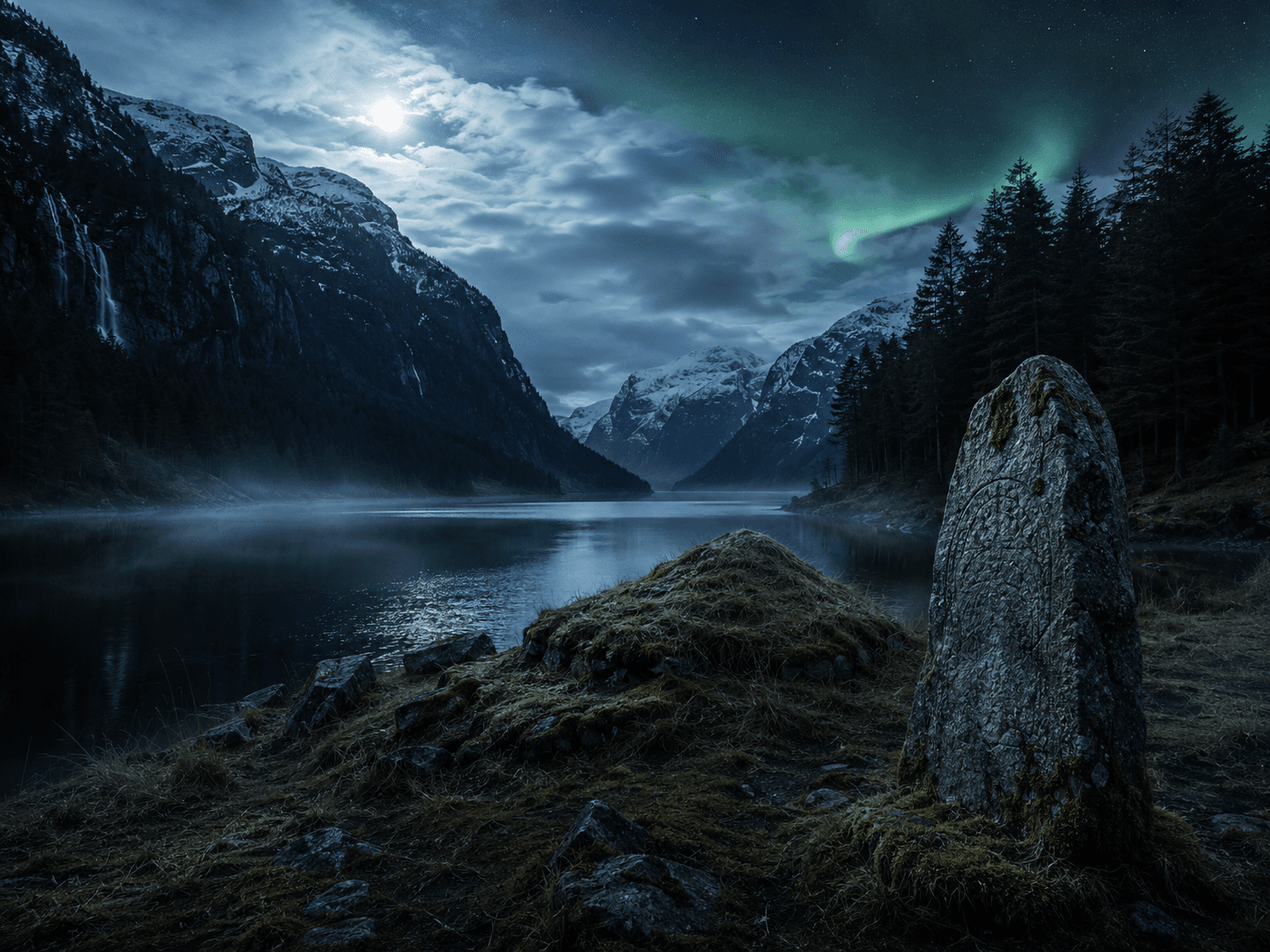
Scandinavia and Norse Traditions: Draugr, Huldra and the Norse Supernatural
The Norse and Nordic folk traditions represent one of the best-documented supernatural belief systems in Northern Europe, anchored in the Icelandic saga literature, Eddic poetry, and later ethnographic collections from Norway, Sweden, Denmark, and Finland. Three categories are especially well-attested and useful for PRN's archive: the draugr (revenant of the grave-mound, documented in named sagas), the huldra and skogsrå (alluring and dangerous forest spirits with a hollow back or cow's tail), and the nisse or tomte (domestic household spirit, protective but quick to anger if disrespected). Each represents a distinct register of Nordic supernatural belief — the dread of the improperly dead, the peril of the wild forest margin, and the intimate relationship between a farmstead and its invisible guardian.
Norway, Sweden, Denmark, Iceland, Finland, Faroe Islands
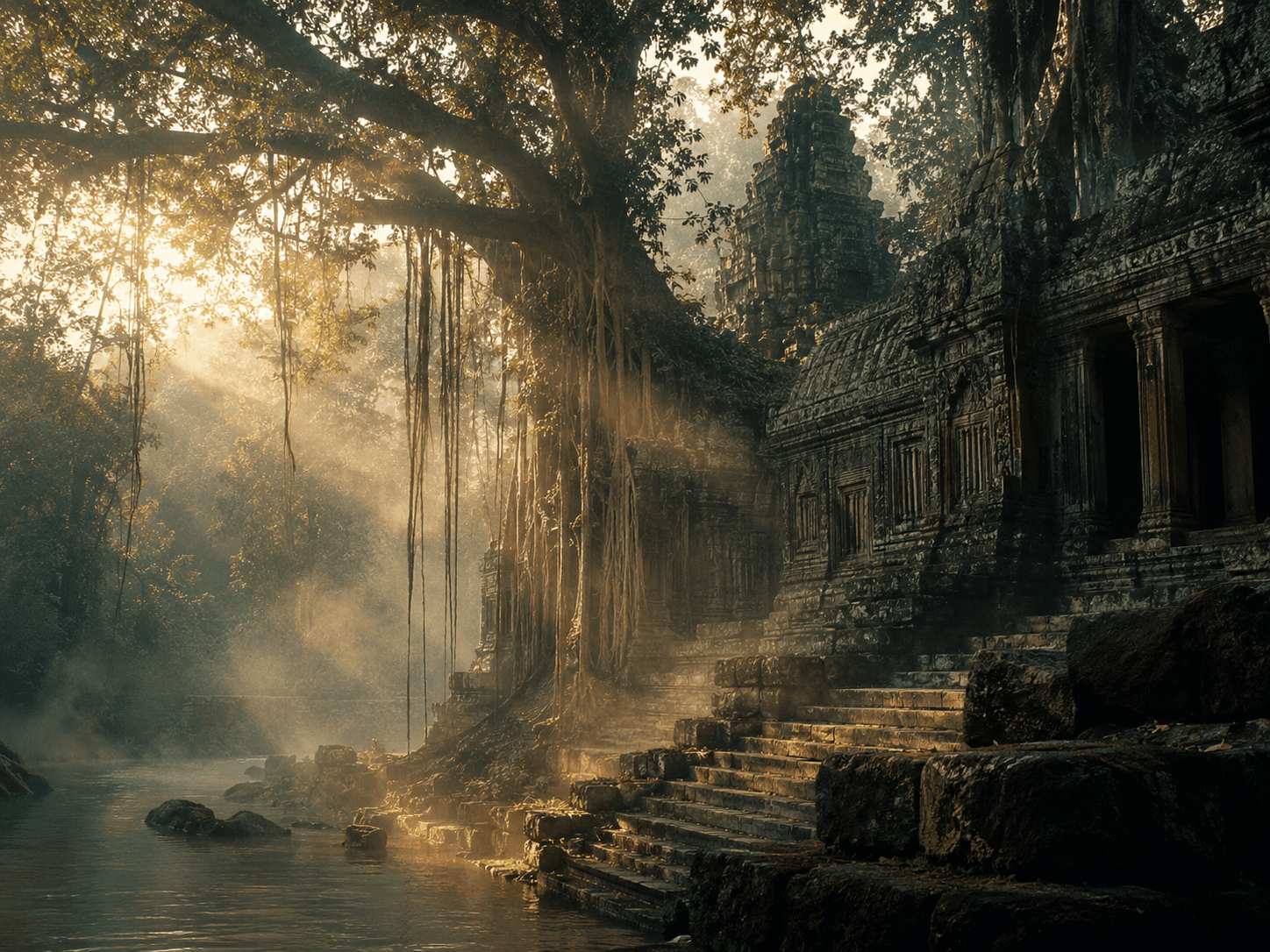
India: Bhuta, Vetala, Rakshasa and the Hindu Folk Supernatural
The supernatural traditions of the Indian subcontinent are exceptionally ancient, exceptionally diverse, and exceptionally well-documented in Sanskrit textual sources alongside living regional folk belief that varies substantially by language, caste, region, and religious tradition. PRN's archive covers four of the most extensively documented categories: the bhuta (ghost of the improperly dead), the vetala (charnel-ground spirit who inhabits and moves between corpses), the rakshasa (shape-shifting supernatural being of Sanskrit epic and Puranic literature), and the yaksha (nature spirit and treasure guardian). These categories are attested from the Vedas and Puranas through the Kathasaritsagara story cycle (c. 11th century CE) and into living regional belief practices documented by ethnographers of the 20th and 21st centuries.
India, Bangladesh, Nepal, Sri Lanka
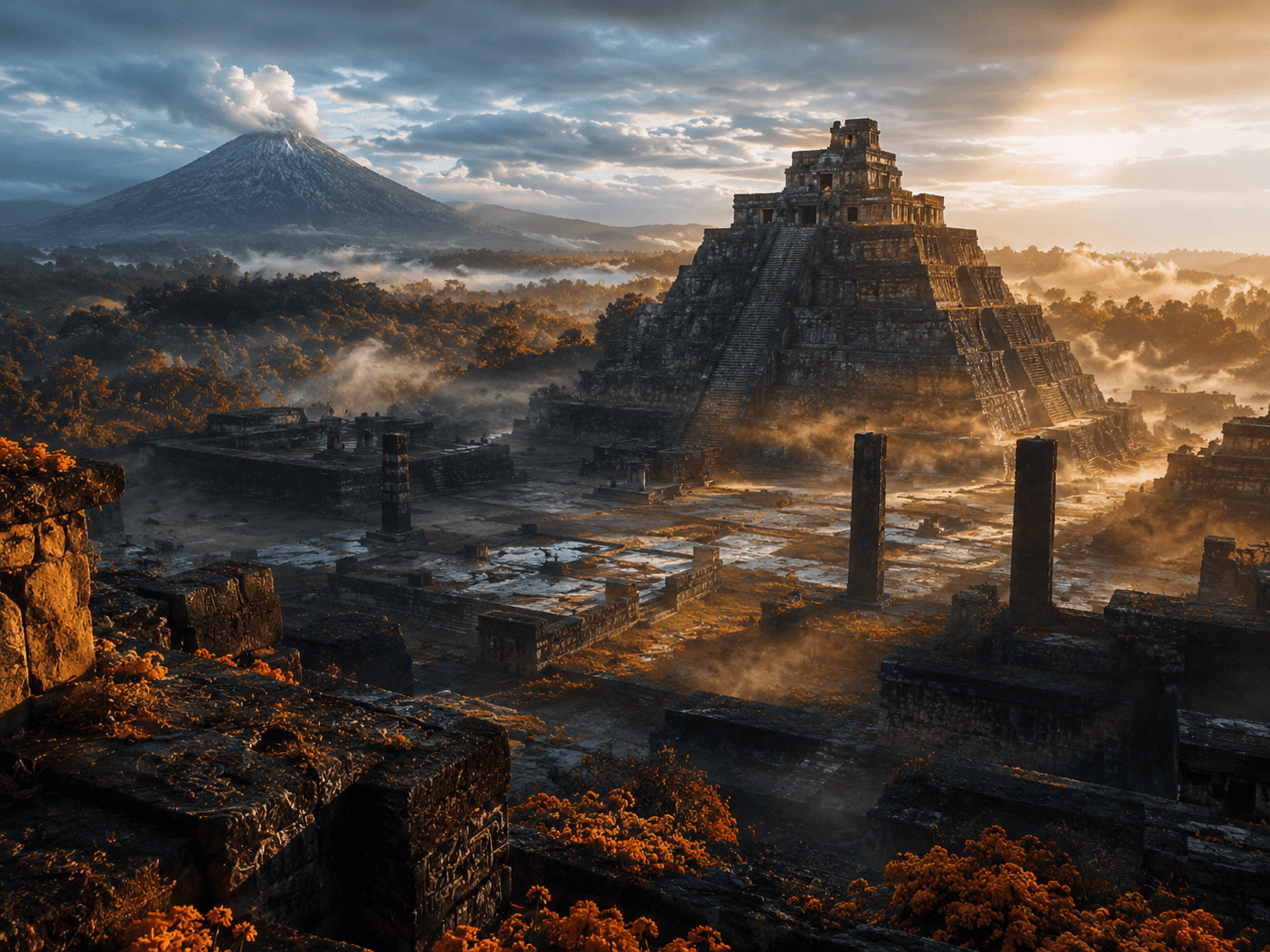
Mesoamerica: Mictlan, Nahualli and the Nahua Supernatural
The pre-contact Nahua of central Mexico — including the people of Tenochtitlan (the Aztec empire) and surrounding Nahua-speaking groups — maintained one of the most elaborately documented supernatural cosmologies in the pre-Columbian world. The primary sources are the post-contact 16th-century codices and the ethnographic work of Franciscan friar Bernardino de Sahagún (Historia General de las Cosas de la Nueva España, or Florentine Codex, c. 1540–1585), which recorded Nahua belief in extensive detail before the traditions were substantially transformed by colonial Christianity. Key elements for PRN's archive include: the Mictlan death journey (the nine-level underworld and the four-year soul passage), the nahualli / nahualismo (shape-shifting practitioner tradition), Mictlantecuhtli and Mictecacihuatl (Lord and Lady of the Dead), and the Xolotl dog-psychopomp. Contemporary scholarship has substantially revised traditional understandings of Nahua afterlife cosmology.
Mexico, Guatemala
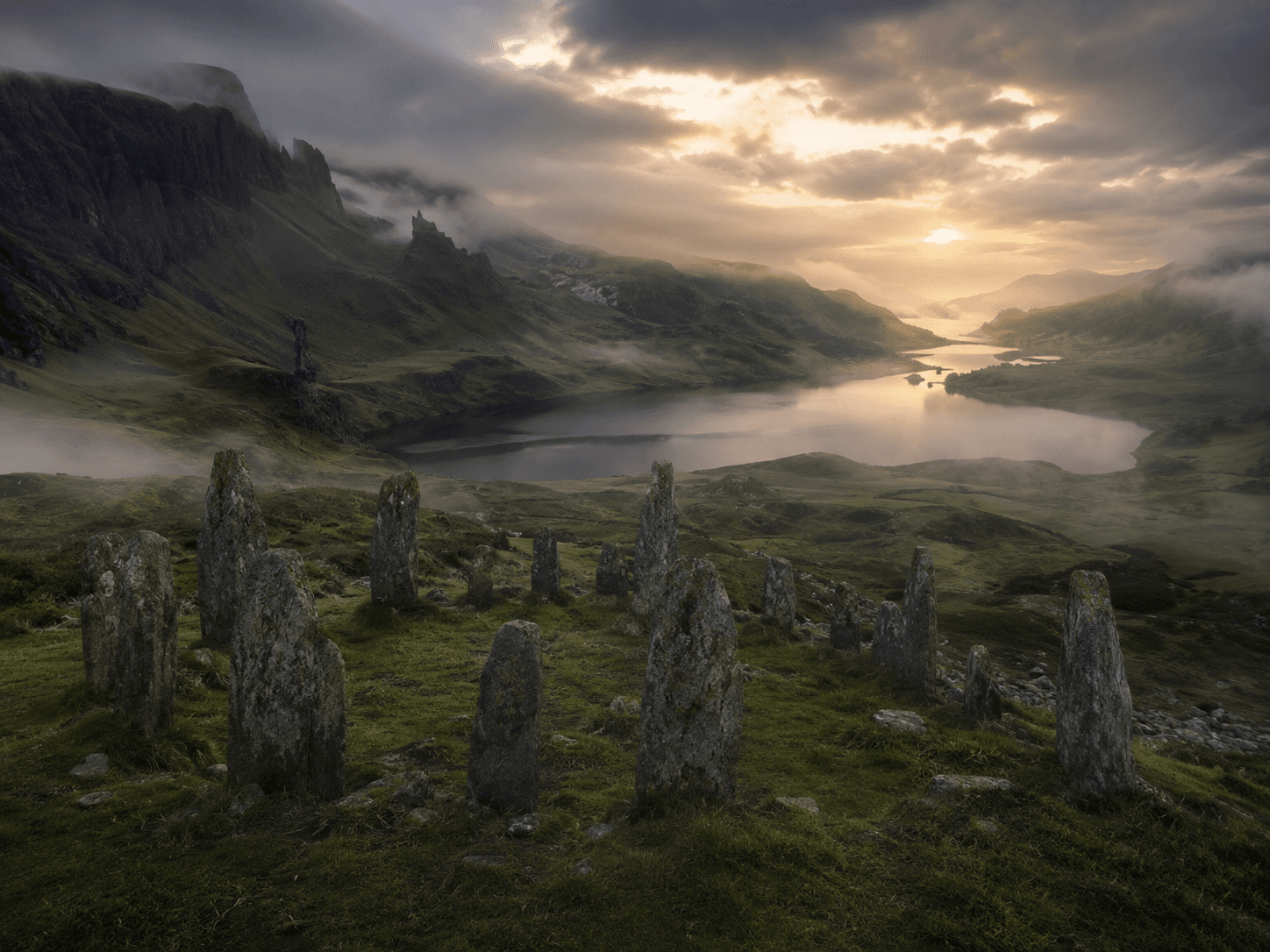
Celtic Ireland and Scotland: Aos Sí, the Fairy Faith and the Otherworld
The supernatural traditions of Ireland and Gaelic Scotland centre on the aos sí — the "folk of the fairy mounds," sometimes called daoine sídhe, sometimes euphemistically called "the Good Neighbours" or "the Fair Folk." These are not the diminutive winged fairies of Victorian illustration: they are, in the documented folk record, a powerful, dangerous, and morally ambiguous non-human race who inhabit a parallel Otherworld (Tír na nÓg or the sídhe mounds), interact with humans through kidnapping, blighting, and sometimes blessing, and must be carefully managed through avoidance, propitiation, and correct speech. The tradition is documented from medieval Irish literature, 18th-century antiquarian records, systematic 19th and 20th-century folklore collection by the Irish Folklore Commission, and living ethnographic work into the late 20th century.
Ireland, United Kingdom, Isle of Man, United States, Canada, Australia
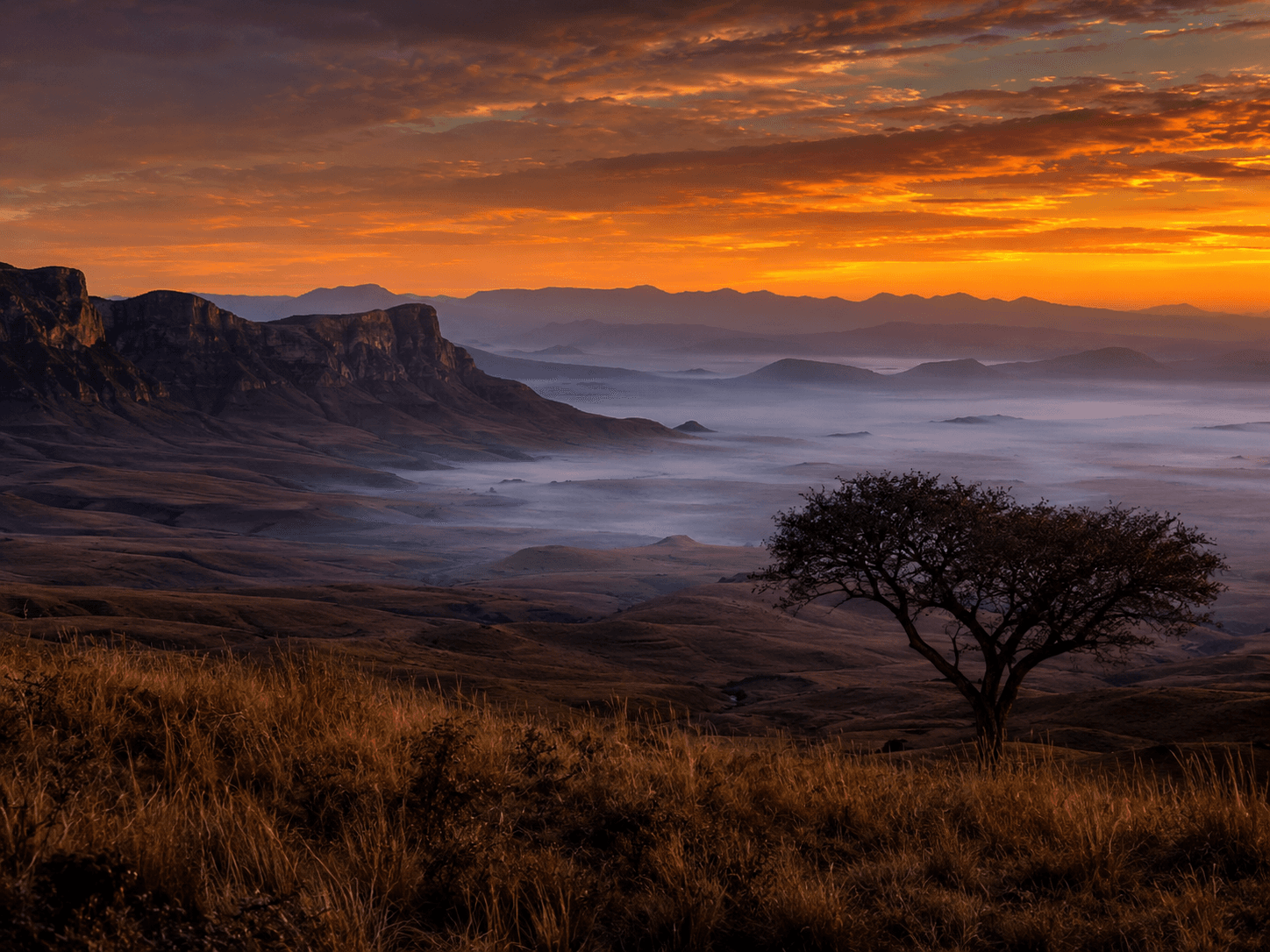
Southern Africa: Tokoloshe, Ancestral Spirits and Nguni Supernatural Traditions
The Nguni-speaking peoples of southern Africa — principally the Zulu, Xhosa, Swati, and Ndebele — share a body of supernatural tradition centred on: the relationship between the living and the ancestral dead (amadlozi / izinyanya in Zulu; izinyanya in Xhosa), the role of the sangoma (diviner-healer) as intermediary with the ancestral world, and a range of supernatural beings including the tokoloshe — a short, malevolent being associated with witchcraft and nocturnal attack. These traditions are living belief systems, not folklore artifacts: the sangoma tradition is a functioning healing and spiritual practice with contemporary practitioners across South Africa, Zimbabwe, Eswatini, and Lesotho, and scholarly research published in peer-reviewed journals documents ongoing belief in entities including the tokoloshe in contemporary South African communities.
South Africa, Zimbabwe, Eswatini, Lesotho

Southeast Asia: Philippine and Thai Traditions
Southeast Asia: Philippines and Thailand — Why This Region, Why This Batch, What PRN Must Understand
Philippines, Thailand
Brazil: Folkloric Entities and Traditions
This batch covers three interconnected topic areas relevant to PRN's The Global Unknown page: Brazilian folkloric entities (Saci Pererê, Curupira, Caipora, Mula-sem-cabeça), the Amazonian Boto / pink river dolphin shapeshifter tradition, and the pan–Latin American La Llorona / Weeping Woman complex.
Brazil
Russia and Slavic Regions: Supernatural Traditions
Why This Region Matters for The Global Unknown
Russia, Ukraine, Belarus, Poland, Romania, Bulgaria, Serbia
Middle East: Jinn and Related Traditions
Jinn, Islamic Tradition, and Arabic Folklore: Why This Subject Matters for The Global Unknown
Saudi Arabia, Jordan, Syria, Iraq, Egypt, Yemen, United Arab Emirates
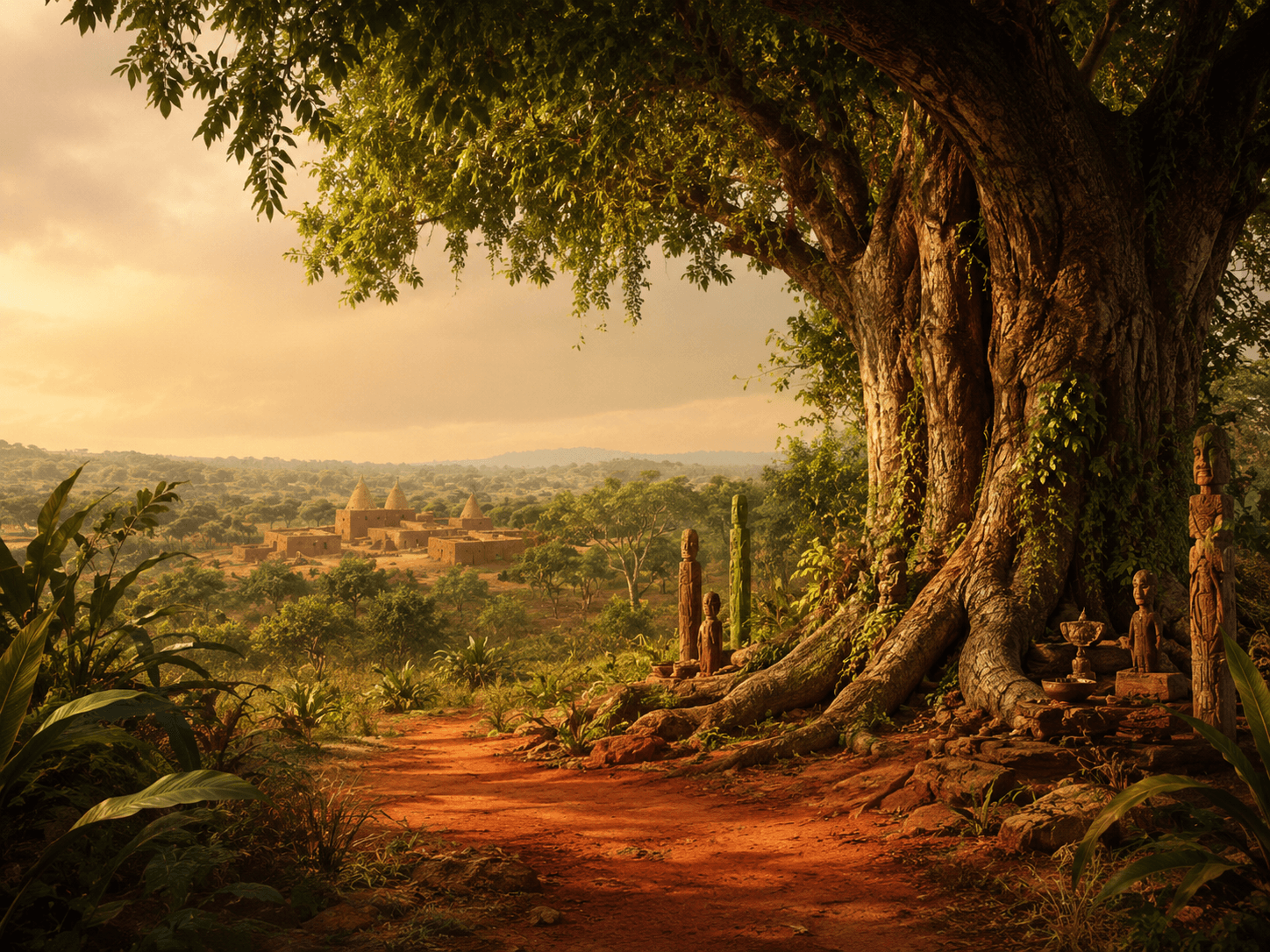
West Africa: Yoruba, Akan and Vodun Traditions
Why Africa Must Not Be Treated as One Folklore Block
Nigeria, Benin Republic, Togo, Ghana, Côte d'Ivoire
Source Framework
How PRN Labels Sources
Every source in The Global Unknown is assigned one of the labels below. Labels are visible on source cards, in Research Blog articles, in Kirstie’s Library dossiers, and alongside map and research links. The purpose is transparency — every source’s type, reliability, and sensitivity is shown in plain English so you can assess the basis of any claim or context.
Official heritage record
Government, heritage body, museum, or national library source. High trust.
Academic source
University, research institute, or peer-reviewed scholarly source.
Museum / archive source
Museum collection, archive entry, or digitised holdings. Rights check required.
Religious / traditional belief
Source describing belief or practice from within a tradition. Context only.
Living belief
Ongoing community practice or ritual ecology. Review-sensitive.
Folklore
Oral or literary tradition, mythic figure, or place-lore motif. Cultural context only.
Oral history
Testimony or memory with cultural/historical value. Context, not evidence.
Urban legend
Modern rumour or legend pattern. Useful for claim-vs-source analysis.
Public claim
Publicly reported claim without PRN verification. Lead only.
Media claim
TV, YouTube, podcast, blog, or documentary item. Not evidential core.
Paranormal investigation claim
Investigator or creator report using tools and methods. Never proof.
Tourism claim
Ghost tour or haunted-destination marketing. Not evidence.
User-generated claim
Forum, social, or self-posted anecdote. Discovery only.
Historical & Sensitive Context
Documented difficult history. Truthful, sober, source-backed. No gore.
Sacred / restricted context
Material not to be flattened, mapped, or ritualised publicly. Often admin-only.
Do not use
AI slop, gore clickbait, trespass bait, unreliable scraping. Excluded.
PRN applies source labels to all material in The Global Unknown. Labels are visible on source cards, in AI assistant responses, in Case Builder outputs, and alongside map and research links. The purpose is transparency — every source’s type, reliability, and sensitivity is shown in plain English so users can assess the basis of any claim or context.
Global Source Assistant
Guard-railed research librarian for The Global Unknown
The Global Source Assistant is a guard-railed research librarian for The Global Unknown. When active, it will answer only from approved regional source packs, label every source type, show uncertainty, and route you to the correct PRN module. It will never claim proof of paranormal activity, never provide ritual or summoning instructions, and never turn folklore, belief, or tragedy into entertainment.
When active, the assistant will
- Answer from approved source packs only — no live web search, no AI hallucination
- Label every source in plain English using the PRN source-label framework
- Show source reliability, sensitivity, and confidence level
- Route you to the correct PRN module: Research Blog, Kirstie's Library, Case Builder, Map Explorer, Media Index, or Equipment Hub
- Refuse unsafe, exploitative, or out-of-scope requests
- Preserve cultural context and original-language terminology
- Never claim proof of paranormal activity
- Never provide ritual, summoning, or exorcism instructions
- Never flatten living belief, sacred practice, or cultural tradition into entertainment
In preparation
Global Source Assistant is in preparation. Source packs must be approved and reviewed before the assistant can be activated.
Ask the Global Source Assistant…
Input disabled — source packs not yet active
Content Hub
Explore PRN Modules
Kirstie's Library
Folklore dossiers, cultural traditions, legends and place-based claims.
Research Blog
Deep-dives, explainers, comparisons and source breakdowns from the PRN team.
Open Research Archive
Papers, reports, documents and public records with provenance context.
Map Explorer
Documented phenomena, heritage sites and public-safe geography on PRN's live map.
PRN Media Index
Creators, channels, podcasts and media by region and topic.
Equipment Hub
Tools, methods and techniques used around the world.
Case Builder
Build informed cases with source checks, prior claims and context.
In preparation
Historical and Sensitive Content
PRN includes documented historical context where it is public, source-backed, and relevant to understanding reported phenomena or cultural belief. Difficult history — including conflict, disaster, and tragedy — is presented as factual context only. It is never framed as evidence of paranormal activity, and is never presented with gore, sensationalism, or dark-tourism language.
PRN does not publish exact coordinates of sensitive, grief, or sacred sites. Any site-specific information is broad and general. Cultural and religious traditions are presented with respect for living communities and practitioners.
Contribute to The Global Unknown
PRN is building reviewed source packs for each region. If you have knowledge of regional folklore research, academic archives, heritage records, or documented phenomena that should be considered for inclusion, contact the team.