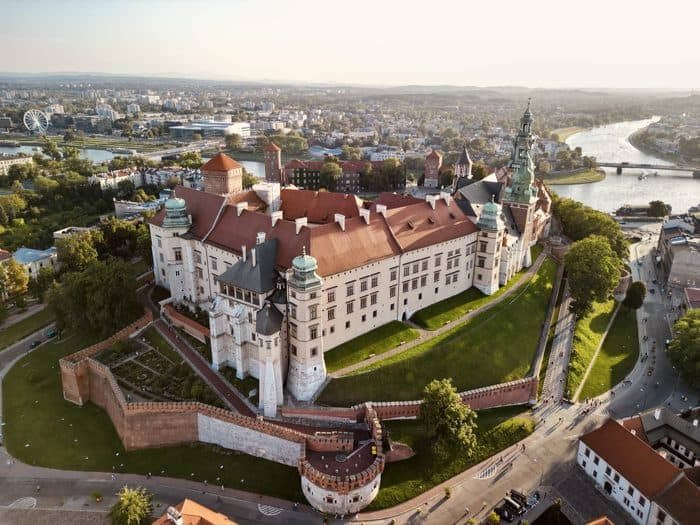
Wawel Castle
Poland · Krakow
Investigation Summary
Wawel Castle, located in Kraków, Poland, is one of the most historically and culturally significant sites in the country, serving for centuries as the residence of Polish kings and a symbol of national identity. The castle complex, situated atop Wawel Hill along the Vistula River, has origins dating back to the 11th century, though much of its current structure reflects later Gothic, Renaissance, and Baroque additions. It functioned as the political and ceremonial centre of the Kingdom of Poland, housing royal apartments, administrative chambers, and the Wawel Cathedral, where monarchs were crowned and buried.
Throughout its long history, Wawel Castle has witnessed major political events, royal intrigue, and periods of conflict. It was the seat of power during Poland’s golden age in the 16th century under the Jagiellonian dynasty, before gradually losing its political role when the capital moved to Warsaw in the late 1500s. The castle later endured periods of foreign occupation, including use by Austrian forces during the partitions of Poland, which altered parts of the complex and its function.
Despite these changes, Wawel remained a powerful national symbol and was eventually restored in the 20th century as a museum and heritage site. Wawel Castle is also deeply connected to Polish folklore and legend, most notably the tale of the Wawel Dragon, said to have lived in a cave beneath the hill. In terms of paranormal association, reports linked to the castle are generally rooted in its long royal and military history.
Anecdotal accounts include sightings of figures believed to resemble former monarchs or guards, unexplained sounds within older sections of the complex, and sensations of presence in certain chambers or corridors. These experiences are not formally documented through investigation and are often influenced by the historical weight and cultural significance of the site rather than consistent or verifiable phenomena. Conclusion Wawel Castle stands as a cornerstone of Polish history and identity, representing centuries of royal power, cultural development, and national resilience.
While occasional anecdotal reports of unusual experiences exist, they are secondary to its well-documented historical importance, with its reputation shaped primarily by history and legend rather than established paranormal activity.