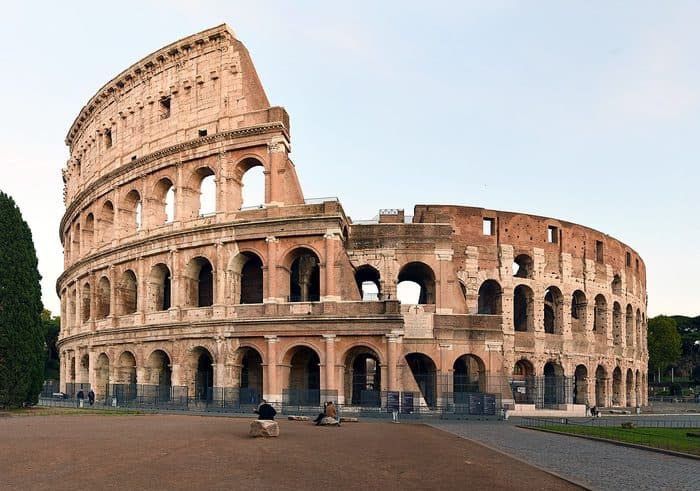
The Colosseum
Italy · Rome
Investigation Summary
: The Colosseum, located in Rome, Italy, is a large amphitheatre constructed between 70 and 80 AD under the emperors Vespasian and Titus of the Flavian dynasty. It was designed as a venue for public spectacles, including gladiatorial contests, animal hunts, executions, and staged performances. As one of the largest amphitheatres ever built, it could hold tens of thousands of spectators and played a central role in public life in ancient Rome.
Historically, the Colosseum is associated with violence and death, as many events held there involved combat and execution. While the exact number of fatalities is not precisely documented, historical sources confirm that large numbers of people and animals died within the arena over its period of use. Following the decline of the Roman Empire, the structure fell into disuse and was repurposed for various functions, including as a fortress, quarry, and religious site.
It later became a symbol of Christian martyrdom, although the extent to which Christians were executed there is debated among historians. The Colosseum’s long history and association with death have contributed to its reputation for reported paranormal activity. Accounts from visitors, staff, and guides describe a range of experiences within the structure, particularly during quieter periods or at night.
These reports have been documented in travel literature, paranormal investigations, and local accounts over time. Reported phenomena include sightings of shadowy or human-like figures within the corridors and arena, as well as auditory experiences such as footsteps, distant voices, and sounds resembling crowd noise or movement. Some accounts also describe sudden drops in temperature or unusual atmospheric sensations within enclosed areas of the structure.
These reports show recurring themes but remain anecdotal and are not supported by controlled scientific evidence. Conclusion: The Colosseum is associated with a range of consistently reported paranormal phenomena, often linked to its historical use as a site of death and public spectacle. While reports show recurring patterns, they remain anecdotal and influenced by the monument’s historical and cultural significance.