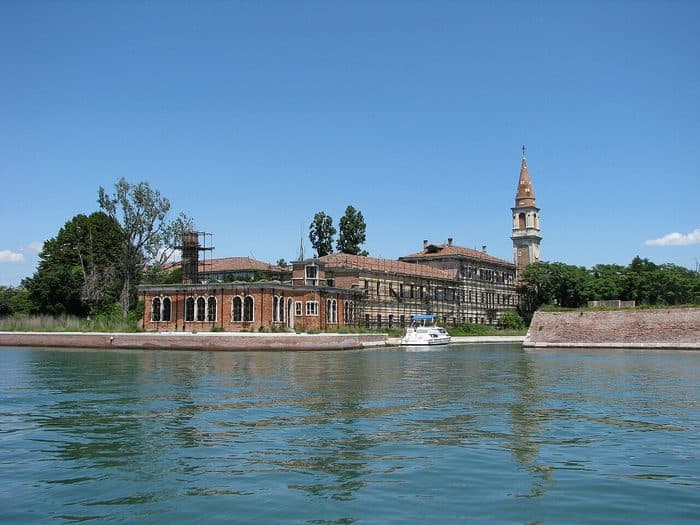
Poveglia Island
Italy · Venice
Investigation Summary
Poveglia Island, located in the Venetian Lagoon between Venice and Lido in Italy, is one of the most historically layered and widely discussed abandoned sites in Europe. Its recorded history dates back to at least the 5th century, when it was used as a refuge for populations fleeing invasions during the collapse of the Western Roman Empire. Over time, the island developed into a small settlement, but its strategic position within the lagoon meant it was frequently drawn into regional conflicts and defensive measures.
By the late medieval period, its role began to shift, particularly as Venice sought to control the spread of disease entering through its busy maritime trade routes. From the 18th century onward, Poveglia became closely associated with quarantine practices. It was used as a lazaretto—a quarantine station—where individuals suspected of carrying infectious diseases, particularly plague, were isolated from the mainland.
Historical records confirm that large numbers of people passed through such facilities during outbreaks, and while exact figures specific to Poveglia are debated, the island’s use in disease containment contributed significantly to its later reputation. The association with illness, death, and isolation became central to its identity, reinforced by the physical separation from Venice and the controlled nature of its use. In the 20th century, the island saw further use, reportedly functioning as a psychiatric hospital for a period before being abandoned in the latter half of the century.
Details surrounding this phase are less clearly documented, with many accounts blending verified use with exaggerated or fictionalised narratives. Since its abandonment, Poveglia has remained largely inaccessible to the public, with buildings in a state of decay and vegetation overtaking much of the landscape. Its reputation as a location of paranormal activity has grown significantly in modern times, largely driven by media, television programmes, and urban legend.
Reports associated with the island include claims of apparitions, disembodied voices, and sensations of unease, but these accounts are anecdotal and often influenced by the island’s history and portrayal in popular culture rather than consistent, verifiable investigation. Conclusion Poveglia Island is a historically significant site shaped by its roles in refuge, quarantine, and institutional use, with its reputation for paranormal activity emerging largely from its association with disease, isolation, and abandonment. While widely regarded as one of the most “haunted” locations in popular culture, much of this perception is driven by narrative and speculation rather than clearly documented evidence.