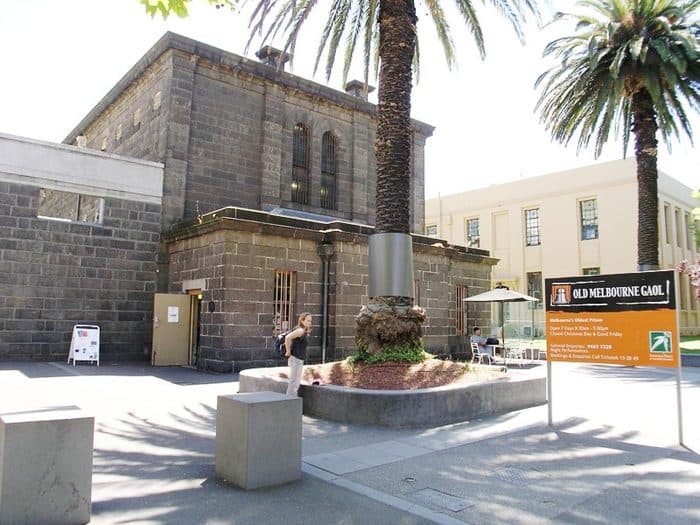
Old Melbourne Gaol
Australia · Melbourne VIC Australia
Investigation Summary
Old Melbourne Gaol, located in Melbourne, Victoria, Australia, is one of the country’s most historically significant penal sites, with construction beginning in 1839 during the early years of European settlement. The gaol was expanded over several decades to accommodate the growing colonial population and the increasing demand for incarceration facilities. Built primarily from bluestone, the structure was designed to house both male and female prisoners, though conditions were often harsh and reflective of 19th-century penal practices.
The gaol operated during a period marked by rapid expansion, social unrest, and crime associated with the Victorian gold rush, making it a central institution within the colonial justice system. Throughout its operational history, Old Melbourne Gaol housed a wide range of inmates, from petty offenders to some of the most notorious figures in Australian history. Among them was Ned Kelly, the infamous bushranger, who was executed at the gaol in 1880.
In total, the gaol was the site of over 130 executions, carried out by hanging, with many prisoners held in solitary confinement under strict and often severe conditions. The prison’s design included multiple cell blocks, exercise yards, and an execution area, all of which contributed to the regimented and controlled environment. Reports from the time describe overcrowding, poor sanitation, and the psychological strain placed on inmates, particularly those awaiting execution.
After its closure in 1929, the gaol underwent various uses before being preserved as a historical site and museum. Today, much of the original structure remains intact, allowing visitors to explore the cells, gallows area, and corridors much as they would have appeared during its operational years. The gaol has developed a strong reputation for reported paranormal activity, with numerous accounts from visitors and staff describing unexplained occurrences.
These include disembodied voices, footsteps echoing through empty corridors, and sightings of figures believed to resemble former prisoners. Some reports specifically reference the presence of individuals associated with executions, including figures seen near the gallows or within certain cells. There are also accounts of sudden temperature drops, feelings of being watched, and physical sensations such as being touched.
While these experiences are anecdotal, they are frequently reported and often tied directly to the gaol’s history of confinement and execution. Conclusion Old Melbourne Gaol is a key historical site that reflects the realities of colonial justice and incarceration in 19th-century Australia. Its reputation for paranormal activity is closely linked to its documented history of executions and harsh conditions, with recurring anecdotal reports centred around specific locations within the building contributing to its standing as one of Australia’s most well-known sites of interest in paranormal research.